Regional Project Frameworks & Site Directory
Ag Aquifer
Principal Consultant: Michael C. Roberts, Ph.D.
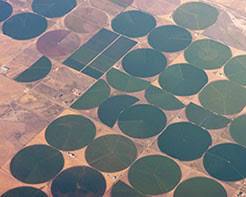
“Sustainable agriculture relies entirely on proactive water asset management. The Ag Aquifer framework specializes in designing and executing Managed Aquifer Recharge (MAR) systems, advanced hydrologic mapping, and sustainable water budgeting. By translating regional environmental factors—such as Great Salt Lake water level dynamics—into actionable on-farm infrastructure, we help agricultural stakeholders secure, track, and optimize their most critical natural resources Water
“Sustainable agriculture relies entirely on proactive water asset management. The Ag Aquifer framework specializes in designing and executing Managed Aquifer Recharge (MAR) systems, advanced hydrologic mapping, and sustainable water budgeting. By translating regional environmental factors—such as Great Salt Lake water level dynamics—into actionable on-farm infrastructure, we help agricultural stakeholders secure, track, and optimize their most critical natural resources
Managed Aquifer Recharge (MAR): Increasing August Water
“Our focus is on helping agricultural producers extract maximum utility from their existing water rights. By applying localized watershed mapping theories—such as our resource frameworks in Pershing County, Lovelock, NV and the Nevada Watershed Drainage Assesment—we specialize in utilizing early-season runoff for targeted aquifer recharge. This strategic storage directly mitigates late-season deficits, effectively increasing critical August water availability when regional irrigation systems need it most
“Managing agricultural assets within the Great Salt Lake basin requires a precise balance between upstream consumption and terminal lake water level dynamics. Our consulting services focus on analyzing tributary inflows, tracking dynamic watershed allocations, and implementing localized conservation strategies. We help producers and regional entities navigate complex water budgets to support both sustainable agricultural productivity and essential environmental baseline flows.”
Beryl-Milford & Minersville Groundwater Recharge
“The critical overdraft conditions within the Beryl-Milford and Minersville escalante valley drainage systems demand aggressive groundwater tracking and proactive replenishment. We specialize in mapping localized depression cones, monitoring aquifer recovery data, and designing targeted high-desert recharge zones. By translating state hydrologic updates into specific on-farm actions, we assist local water districts and producers in stabilizing their long-term pumping volumes.”
Nevada Creeks Feeding Narrow High Altitude Valley Ranches
Providing comprehensive hydrological modeling and watershed evaluations for high-altitude creeks feeding Nevada ranches. This framework analyzes seasonal creek flow data to capture and manage high spring inflows through targeted Managed Aquifer Recharge (MAR). By placing recharge structures higher up the alluvial bajada, fresh runoff is securely stored in clean upland aquifers, protecting the water supply from contamination by lower-level salts concentrated on the basin floor. This peak-runoff storage method earns operators pumping credits to safely extract clean water in August when surface flows diminish, stabilizing late-season agricultural irrigation.
Humboldt – Lovelock a possible solution
A Capital-Driven Blueprint for Nevada’s Water Future
Nevada’s current management of the Humboldt River basin faces an existential gridlock. Downstream users in Lovelock hold senior surface water rights under the Humboldt Decree, yet upstream groundwater pumping in areas like Winnemucca inevitably intersects the river’s flow.
The state’s current playbook—using programs like Assembly Bill 104 and Senate Bill 36 to buy out groundwater rights cheaply and permanently retire them—destroys multi-generational asset values and shrinks the regional agricultural tax base. Furthermore, simply forcing water to “flow naturally” down hundreds of miles of open, high-desert riverbed means massive volumes are lost entirely to desert evaporation and transit draft before ever reaching its destination.
The solution is not regulatory curtailment or cut-rate liquidations. The solution is an Open-Market, State-Sanctioned Water Bank that unlocks the true scarcity value of water. By allowing open speculation and trading, we can artificially generate the private capital required to build a closed-conduit pipeline from Winnemucca to Lovelock—protecting farm balance sheets, eliminating evaporation traps, and keeping every drop of water within its basin of origin.